
Off Camera: Putting God First
Off Camera: Putting God First
We all know how to behave when people are watching. We can control ourselves at church, filter our social media posts, and present our best image when expectations are high. But what happens when the camera is off? What drives our decisions when nobody is there to applaud, correct, or affirm us?
James chapter 4 isn't interested in our Sunday performance or carefully curated image. He's concerned about what's happening in our hearts when nobody sees - because faith that only exists "on camera" isn't real faith at all.
When God Isn't First, Conflict Takes Over
James opens with a piercing question: "What is the source of wars and fights among you?" His answer might surprise you. It's not personality differences, stress, communication breakdowns, or difficult people. The conflict in our lives stems from disordered desires within us.
The War Within
James describes "passions that wage war within you" - pleasure-seeking desires that demand control in your life. These aren't necessarily bad things. They could be desires for recognition, comfort, respect, control, success, or approval. The problem comes when these good things become ultimate things.
When something other than God rules your heart, anyone who threatens it becomes your enemy. This is why marriages argue, churches split, friendships fracture, and ministries compete. It's not about surface issues - it's about something inside demanding "I must have my way."
Spiritual Neglect and Self-Centeredness
James identifies two prayer problems: "You don't have because you don't ask" (spiritual neglect) and "You ask with wrong motives" (spiritual self-centeredness). When God isn't first, we try to use God instead of submitting to Him. We recruit God to endorse our will rather than seeking His will.
When God Isn't First, Loyalty Gets Divided
James doesn't soften his tone: "You adulterous people! Don't you know that friendship with the world is hostility toward God?" He's talking about spiritual faithfulness, using marriage as a picture of our covenant relationship with God.
Understanding Worldly Values
James isn't saying don't love people or engage culture. He's warning against adopting the world's value system: promote yourself, protect your image, chase comfort, define truth personally, live for recognition, be your own authority. When these become your operating system, God is no longer first.
God's Jealous Love
God's jealousy isn't insecurity - it's commitment. He refuses to share your heart with false idols because He knows what they do: they drain you, mislead you, disappoint you, and ultimately enslave you. God's jealousy is protective love, knowing that anything other than Him will make promises it can't keep.
James chapter 4 isn't interested in our Sunday performance or carefully curated image. He's concerned about what's happening in our hearts when nobody sees - because faith that only exists "on camera" isn't real faith at all.
When God Isn't First, Conflict Takes Over
James opens with a piercing question: "What is the source of wars and fights among you?" His answer might surprise you. It's not personality differences, stress, communication breakdowns, or difficult people. The conflict in our lives stems from disordered desires within us.
The War Within
James describes "passions that wage war within you" - pleasure-seeking desires that demand control in your life. These aren't necessarily bad things. They could be desires for recognition, comfort, respect, control, success, or approval. The problem comes when these good things become ultimate things.
When something other than God rules your heart, anyone who threatens it becomes your enemy. This is why marriages argue, churches split, friendships fracture, and ministries compete. It's not about surface issues - it's about something inside demanding "I must have my way."
Spiritual Neglect and Self-Centeredness
James identifies two prayer problems: "You don't have because you don't ask" (spiritual neglect) and "You ask with wrong motives" (spiritual self-centeredness). When God isn't first, we try to use God instead of submitting to Him. We recruit God to endorse our will rather than seeking His will.
When God Isn't First, Loyalty Gets Divided
James doesn't soften his tone: "You adulterous people! Don't you know that friendship with the world is hostility toward God?" He's talking about spiritual faithfulness, using marriage as a picture of our covenant relationship with God.
Understanding Worldly Values
James isn't saying don't love people or engage culture. He's warning against adopting the world's value system: promote yourself, protect your image, chase comfort, define truth personally, live for recognition, be your own authority. When these become your operating system, God is no longer first.
God's Jealous Love
God's jealousy isn't insecurity - it's commitment. He refuses to share your heart with false idols because He knows what they do: they drain you, mislead you, disappoint you, and ultimately enslave you. God's jealousy is protective love, knowing that anything other than Him will make promises it can't keep.


When God Becomes First, Grace Changes Everything
Here's the turning point: "But he gives greater grace." This may be one of the most beautiful phrases in the New Testament. No matter what you've struggled with, no matter how you've misplaced your priorities, God's grace is greater than your pride, conflict, worldliness, and spiritual compromise.
The Pathway Back to God
James provides clear steps for putting God first:
Submit to God: This isn't weakness - it's alignment. God sets the direction, defines truth, and determines purpose. Off camera, when no one's watching, you're still living like God is in charge.
Resist the Devil: You won't drift toward holiness. Intentionally resist lies about your identity, temptations toward pride, unhealthy comparisons, and growing bitterness. When you resist, he will flee.
Draw Near to God: Through prayer, scripture, worship, repentance, stillness, and surrender. The promise is beautiful: when you draw near to God, He draws near to you.
Cleanse and Purify: This is heartfelt repentance - not casual regret, but genuine realignment with God. It means taking sin seriously enough to bring it honestly before God and beginning to hate sin as much as He does.
The promise: "Humble yourself before the Lord, and he will exalt you." God lifts surrendered people, not self-promoters.
When God Is First, Relationships Change
James concludes by addressing how we treat others: "Don't criticize one another, brothers and sisters." When God is first, we don't need to tear others down to feel better about ourselves. Pride toward others often reveals misplaced authority within us.
There's one lawgiver and judge - and it's not you or me. Putting God first produces humility toward others, and humility heals community. We relate to people the way God relates to us: with grace and mercy.
Life Application
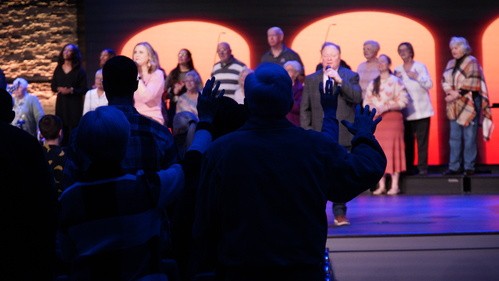
The real measure of faith isn't what happens on stage - it's what happens in private. Your off-camera moments reveal where your priorities truly lie and where your loyalty is tested.
This week, challenge yourself to:
You don't put God first by trying harder - you put Him first by surrendering deeper. When you surrender, grace meets you, God draws near, humility replaces pride, peace replaces conflict, and love replaces comparison.
Ask yourself: What's really motivating my decisions when no one is watching? Where have I adopted the world's values instead of God's? How can I practice daily submission to put God first in every area of my life?
The Pathway Back to God
James provides clear steps for putting God first:
Submit to God: This isn't weakness - it's alignment. God sets the direction, defines truth, and determines purpose. Off camera, when no one's watching, you're still living like God is in charge.
Resist the Devil: You won't drift toward holiness. Intentionally resist lies about your identity, temptations toward pride, unhealthy comparisons, and growing bitterness. When you resist, he will flee.
Draw Near to God: Through prayer, scripture, worship, repentance, stillness, and surrender. The promise is beautiful: when you draw near to God, He draws near to you.
Cleanse and Purify: This is heartfelt repentance - not casual regret, but genuine realignment with God. It means taking sin seriously enough to bring it honestly before God and beginning to hate sin as much as He does.
The promise: "Humble yourself before the Lord, and he will exalt you." God lifts surrendered people, not self-promoters.
When God Is First, Relationships Change
James concludes by addressing how we treat others: "Don't criticize one another, brothers and sisters." When God is first, we don't need to tear others down to feel better about ourselves. Pride toward others often reveals misplaced authority within us.
There's one lawgiver and judge - and it's not you or me. Putting God first produces humility toward others, and humility heals community. We relate to people the way God relates to us: with grace and mercy.
Life Application
The real measure of faith isn't what happens on stage - it's what happens in private. Your off-camera moments reveal where your priorities truly lie and where your loyalty is tested.
This week, challenge yourself to:
- Identify what's really driving you by asking: What frustrates me most? What makes me defensive? Where am I controlling rather than submitting?
- Examine your loyalties - are you adopting worldly values around success, validation, comfort, or comparison?
- Practice daily submission with simple prayers: "Lord, lead my actions today. Shape my decisions. Guard my words."
- Pursue nearness intentionally - schedule and protect time with God, because what happens in secret shapes who you are in public
- Choose humility in relationships - before speaking, ask: "Am I building up or tearing down? Am I operating from pride or grace?"
You don't put God first by trying harder - you put Him first by surrendering deeper. When you surrender, grace meets you, God draws near, humility replaces pride, peace replaces conflict, and love replaces comparison.
Ask yourself: What's really motivating my decisions when no one is watching? Where have I adopted the world's values instead of God's? How can I practice daily submission to put God first in every area of my life?
Posted in Sermons
Posted in Village Baptist Church, Sunday Sermon, Sermon Recap, Submit to God, Putting God First, Fayetteville NC
Posted in Village Baptist Church, Sunday Sermon, Sermon Recap, Submit to God, Putting God First, Fayetteville NC
Recent
When Shame Meets Grace: Finding Restoration After Failure
April 21st, 2026
When Doubt Meets the Risen Christ: Finding Faith in Our Questions
April 14th, 2026
The Reality of the Empty Tomb: How the Resurrection Changes Everything
April 7th, 2026
The Foundation, Evidence, and Test of Our Faith
March 30th, 2026
Why Did Jesus Have to Die? Understanding the Purpose of the Cross
March 23rd, 2026
Archive
2026
January
February
March
2025
November
No Comments