
What Kind of Wisdom Shapes Your Worldview?
What Kind of Wisdom Shapes Your Worldview?
What shapes the way you see the world? In last Sunday’s message, Interim Pastor Sandy Mark challenged us to examine the kind of wisdom influencing our thoughts, reactions, and relationships. Drawing from the book of James, this week’s blog unpacks the difference between worldly wisdom and wisdom from above, and invites us to consider whether our lives reflect the gentle, peace-making character of Christ. Take a few minutes to read, reflect, and realign your lens with God’s truth!
In our daily lives, we all look at the world through different lenses. Some are obvious - like glasses or sunglasses - but others are invisible yet far more influential. These invisible lenses are shaped by our upbringing, experiences, wounds, disappointments, successes, and the voices we listen to over time. They quietly determine how we interpret everything: people, conflict, authority, suffering, and even God himself.
In our daily lives, we all look at the world through different lenses. Some are obvious - like glasses or sunglasses - but others are invisible yet far more influential. These invisible lenses are shaped by our upbringing, experiences, wounds, disappointments, successes, and the voices we listen to over time. They quietly determine how we interpret everything: people, conflict, authority, suffering, and even God himself.
Why Perspective Matters in Faith
Two people can walk through identical situations and reach completely different conclusions. The facts may be the same, but their lenses are different. This is why perspective shapes interpretation. If your lens is cracked or distorted, everything you see becomes skewed. But if your lens is clear, even life's hardest realities can be seen truthfully and faithfully.
James understood this principle when he wrote his letter. He wasn't addressing people who lacked information - he was writing to believers who struggled with integration. They knew the right things, but had trouble applying that knowledge to daily life.
James understood this principle when he wrote his letter. He wasn't addressing people who lacked information - he was writing to believers who struggled with integration. They knew the right things, but had trouble applying that knowledge to daily life.
How Does the Bible Define True Wisdom?
Unlike our culture, which equates wisdom with intelligence, education, success, or influence, James equates wisdom with fruit. Biblical wisdom is something you can see in action. It shows up in how we speak, respond to circumstances, handle conflict, lead people, and treat others - especially when things don't go our way.
The Question We Cannot Avoid
James presses us with an unavoidable question: What kind of wisdom is shaping the way you see the world? He opens with a direct challenge: "Who among you is wise and understanding? By his good conduct he should show that his works are done in gentleness."
Notice that James isn't impressed by what people claim about themselves. He's interested in evidence, not claims. Wisdom is never merely intellectual - it's truth that's lived out practically. You can know a great deal about God and still live foolishly if that knowledge never shapes your conduct.
Notice that James isn't impressed by what people claim about themselves. He's interested in evidence, not claims. Wisdom is never merely intellectual - it's truth that's lived out practically. You can know a great deal about God and still live foolishly if that knowledge never shapes your conduct.
What Does False Wisdom Look Like?
James identifies a distorted lens that many people use to view life. This false wisdom is characterized by "bitter envy and selfish ambition."
The Characteristics of False Wisdom
Bitter envy goes beyond wanting what someone else has - it resents others' success and feels threatened by their gifts, opportunities, or recognition.
Selfish ambition is driven by self-promotion rather than faithfulness. It uses people as tools rather than treating them as image-bearers of God.
James gives this false wisdom a threefold diagnosis:
Selfish ambition is driven by self-promotion rather than faithfulness. It uses people as tools rather than treating them as image-bearers of God.
James gives this false wisdom a threefold diagnosis:
- Earthly: Shaped by worldly values like status, success, power, and recognition
- Unspiritual: Driven by natural desires rather than submission to God's Spirit
- Demonic: Mirrors the same rebellion that characterizes Satan's fall
The Fruit of False Wisdom
False wisdom always produces chaos, instability, confusion, and fragmentation. Relationships break down, churches divide, families fracture, and teams develop toxic cultures. When we wonder how things got so bad, James points to this wrong lens as the starting point.
What Does True Wisdom Look Like?
In contrast, James describes "wisdom from above" with seven characteristics that paint a picture of someone whose life is shaped by God:
- Pure: Integrity and singleness of heart with no hidden agendas
- Peace-loving: Pursues reconciliation rather than winning arguments
- Gentle: Knows how to speak hard truths without crushing people
- Compliant: Teachable, willing to listen and admit when wrong
- Full of mercy and good fruits: Moves with compassion and produces visible fruit in others' lives
- Unwavering: Steady and consistent, not driven by moods or trends
- Without pretense: No hypocrisy or masks - authentic faith lived honestly
Wisdom Looks Like Jesus
James is essentially saying that wisdom from above looks unmistakably like Jesus. If what we call wisdom doesn't reflect Christ's character, we're using the wrong definition.
How Does Wisdom Create Peace?
James concludes with a farming metaphor: "The fruit of righteousness is sown in peace by those who cultivate peace." Every interaction we have plants something - either peace or conflict, righteousness or chaos.
People shaped by God's wisdom become cultivators of peace. This doesn't mean avoiding conflict, but actively creating environments where righteousness can grow. They sow patience, humility, and forgiveness while speaking truth in love.
People shaped by God's wisdom become cultivators of peace. This doesn't mean avoiding conflict, but actively creating environments where righteousness can grow. They sow patience, humility, and forgiveness while speaking truth in love.
Life Application
This passage challenges us to examine our own wisdom and the lens through which we view the world. Here are four practical ways to apply these truths:
First, examine the fruit before claiming wisdom. Before labeling our opinions as biblical wisdom, ask honest questions: Are my words producing peace or pressure? Are my attitudes building people up or tearing them down? Are my responses leading people closer to Christ or making them feel smaller and defensive?
Second, pay attention to envy and ambition in your life. These emotions are like spiritual warning lights that quietly distort our vision. When they show up, let them drive you back to prayer, repentance, and gratitude.
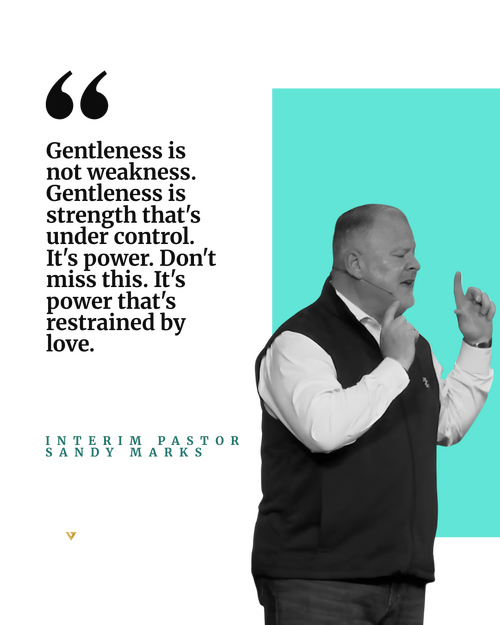
Third, recognize and choose gentleness as strength. In a world that rewards volume and dominance, gentleness can feel like weakness. But gentleness is conviction under the control of the Holy Spirit. It creates space for growth, repentance, and healing.
Fourth, ask God daily for wisdom from above. Wisdom isn't a one-time achievement but a daily dependence. Every morning, ask God to shape your thoughts, tone, and reactions so you can resemble Christ and cultivate peace in a broken world.
Questions for Reflection:
This passage challenges us to examine our own wisdom and the lens through which we view the world. Here are four practical ways to apply these truths:
First, examine the fruit before claiming wisdom. Before labeling our opinions as biblical wisdom, ask honest questions: Are my words producing peace or pressure? Are my attitudes building people up or tearing them down? Are my responses leading people closer to Christ or making them feel smaller and defensive?
Second, pay attention to envy and ambition in your life. These emotions are like spiritual warning lights that quietly distort our vision. When they show up, let them drive you back to prayer, repentance, and gratitude.
Third, recognize and choose gentleness as strength. In a world that rewards volume and dominance, gentleness can feel like weakness. But gentleness is conviction under the control of the Holy Spirit. It creates space for growth, repentance, and healing.
Fourth, ask God daily for wisdom from above. Wisdom isn't a one-time achievement but a daily dependence. Every morning, ask God to shape your thoughts, tone, and reactions so you can resemble Christ and cultivate peace in a broken world.
Questions for Reflection:
- What lens am I using to view the conflicts and challenges in my life right now?
- Is the wisdom I claim to have producing fruit that looks like Jesus in my relationships?
- Where do I see envy or selfish ambition creeping into my motivations?
- How can I actively cultivate peace in my family, workplace, or community this week?

Posted in Sermons
Posted in Wisdom, Sunday Sermon, Sermon Recap, Pastor Sandy Marks, Village Baptist Church
Posted in Wisdom, Sunday Sermon, Sermon Recap, Pastor Sandy Marks, Village Baptist Church
Recent
When Shame Meets Grace: Finding Restoration After Failure
April 21st, 2026
When Doubt Meets the Risen Christ: Finding Faith in Our Questions
April 14th, 2026
The Reality of the Empty Tomb: How the Resurrection Changes Everything
April 7th, 2026
The Foundation, Evidence, and Test of Our Faith
March 30th, 2026
Why Did Jesus Have to Die? Understanding the Purpose of the Cross
March 23rd, 2026
Archive
2026
January
February
March
2025
November
No Comments