
How to Respond to Hostility: A Christian's Guide to Overcoming Evil with Good
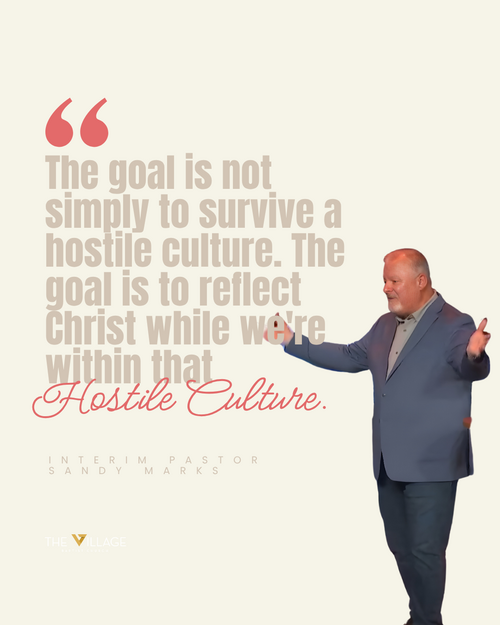
In a world that increasingly celebrates retaliation and "getting even," followers of Christ are called to live differently. When someone mistreats us, attacks our character, or spreads lies about us, our natural response is to fight back. But Scripture offers a radically different approach that challenges everything our culture teaches about responding to hostility.

What Does It Mean to Bless Those Who Persecute You?
Paul begins Romans 12:14 with a startling command: "Bless those who persecute you. Bless and do not curse." This isn't about people who are kind to us or agree with us. Paul is specifically talking about those who oppose us, hurt us, and try to make our lives difficult.
The word "bless" means to speak well of someone and seek their good. It means desiring God's best for the very people who have wronged us. This command comes directly from Jesus, who said in Matthew 5 to "love your enemies and pray for those who persecute you."
This isn't just being a better version of yourself - it's supernatural. Our flesh whispers that blessing our enemies means excusing their behavior, but that's not what Paul is saying. He's not saying persecution is acceptable or that evil doesn't matter. He's saying that followers of Jesus must refuse to allow hostility to determine their response.
The word "bless" means to speak well of someone and seek their good. It means desiring God's best for the very people who have wronged us. This command comes directly from Jesus, who said in Matthew 5 to "love your enemies and pray for those who persecute you."
This isn't just being a better version of yourself - it's supernatural. Our flesh whispers that blessing our enemies means excusing their behavior, but that's not what Paul is saying. He's not saying persecution is acceptable or that evil doesn't matter. He's saying that followers of Jesus must refuse to allow hostility to determine their response.
Why We Must Refuse to Become What We Oppose
One of the greatest dangers Christians face isn't simply being harmed by evil - it's becoming the evil we oppose. Hostility has a way of changing people. Bitterness hardens our hearts, anger clouds our judgment, and resentment consumes us.
Paul reminds us in Romans 12:15-17 to "rejoice with those who rejoice, weep with those who weep" and "do not repay anyone evil for evil." Satan's favorite strategy isn't just attacking believers - it's provoking believers to respond in ungodly ways. If he can't destroy your testimony through persecution, he'll attempt to destroy it through how you respond to hardship.
We easily justify sinful attitudes when someone has wronged us. We excuse bitterness because we've been hurt. We excuse anger because we've been offended. But Paul says transformed people respond differently.
Paul reminds us in Romans 12:15-17 to "rejoice with those who rejoice, weep with those who weep" and "do not repay anyone evil for evil." Satan's favorite strategy isn't just attacking believers - it's provoking believers to respond in ungodly ways. If he can't destroy your testimony through persecution, he'll attempt to destroy it through how you respond to hardship.
We easily justify sinful attitudes when someone has wronged us. We excuse bitterness because we've been hurt. We excuse anger because we've been offended. But Paul says transformed people respond differently.
How Do We Live at Peace with Everyone?
Paul provides balance in Romans 12:18: "If possible, as far as it depends on you, live at peace with everyone." He's realistic - peace isn't always possible. Some people refuse reconciliation and insist on conflict.
But notice the phrase "as far as it depends on you." You can't control another person's behavior, only your own. You can't control their response, but you can choose yours. As followers of Christ, we're called to be peacemakers rather than conflict creators.
We should never compromise truth for peace, but neither should we sacrifice peace unnecessarily. A hostile culture should never be able to accuse Christians of being the source of needless hostility.
But notice the phrase "as far as it depends on you." You can't control another person's behavior, only your own. You can't control their response, but you can choose yours. As followers of Christ, we're called to be peacemakers rather than conflict creators.
We should never compromise truth for peace, but neither should we sacrifice peace unnecessarily. A hostile culture should never be able to accuse Christians of being the source of needless hostility.
Why Should We Trust God's Judgment Instead of Seeking Revenge?
Romans 12:19 addresses one of the deepest struggles of the human heart: "Friends, do not avenge yourself. Instead, leave room for God's wrath. Because it is written, 'Vengeance belongs to me. I will repay,' says the Lord."
The reason revenge is so appealing is because we long for justice - and that longing reflects God's image within us. The problem isn't our desire for justice; it's our desire to personally administer it.
Paul doesn't say evil will go unanswered or that justice doesn't matter. He says God will handle it. God sees every injustice, every lie, every betrayal. Nothing escapes His attention, and nothing will ultimately go unaddressed.
This is one of the greatest comforts of Christian life - we don't have to carry the burden of revenge because God has assumed that responsibility. Our judgment is limited; God's is perfect. Our perspective is incomplete; God sees everything.
The reason revenge is so appealing is because we long for justice - and that longing reflects God's image within us. The problem isn't our desire for justice; it's our desire to personally administer it.
Paul doesn't say evil will go unanswered or that justice doesn't matter. He says God will handle it. God sees every injustice, every lie, every betrayal. Nothing escapes His attention, and nothing will ultimately go unaddressed.
This is one of the greatest comforts of Christian life - we don't have to carry the burden of revenge because God has assumed that responsibility. Our judgment is limited; God's is perfect. Our perspective is incomplete; God sees everything.
What Does It Mean to Overcome Evil with Good?
Paul concludes with a powerful statement in Romans 12:21: "Do not be conquered by evil, but conquer evil with good." This verse assumes that evil is trying to conquer us. When someone hurts us, lies about us, or attacks our faith, evil is attempting conquest.
But here's the surprising part: the greatest victory of evil isn't hurting you - it's changing you. If someone's hatred causes you to become hateful, evil wins. If someone's bitterness makes you bitter, evil wins. The ultimate goal of evil is to make God's people reflect the character of the world rather than the character of Christ.
Paul doesn't tell us to ignore evil or pretend it doesn't exist. He tells us to overcome it - not with greater force or revenge, but with goodness, grace, mercy, and kindness.
But here's the surprising part: the greatest victory of evil isn't hurting you - it's changing you. If someone's hatred causes you to become hateful, evil wins. If someone's bitterness makes you bitter, evil wins. The ultimate goal of evil is to make God's people reflect the character of the world rather than the character of Christ.
Paul doesn't tell us to ignore evil or pretend it doesn't exist. He tells us to overcome it - not with greater force or revenge, but with goodness, grace, mercy, and kindness.
How Did Jesus Demonstrate This Principle?
The clearest picture of overcoming evil with good is found at the cross. On Good Friday, it appeared that evil was victorious - Jesus was arrested, mocked, beaten, crucified, and buried. Yet what looked like defeat became the greatest victory in history.
At the cross, Jesus overcame evil with good. He answered hatred with love, violence with mercy, sin with sacrifice, and death with resurrection. Because Christ has overcome evil, His followers can now overcome evil as well - not in our own strength, but through His power.
At the cross, Jesus overcame evil with good. He answered hatred with love, violence with mercy, sin with sacrifice, and death with resurrection. Because Christ has overcome evil, His followers can now overcome evil as well - not in our own strength, but through His power.
Life Application
This week, challenge yourself to live out these four practical steps:
Identify the person you need to bless. There's likely a face that came to mind while reading this - a coworker who criticizes you, a family member who hurt you, or someone who opposes your faith. The question isn't whether they deserve your blessing; it's whether you're willing to obey Christ. Put them on your prayer list and ask God to work in their life.
Examine your heart for hidden bitterness. You can attend church and still carry bitterness into the sanctuary. Bitterness affects your relationships, witness, worship, and walk with Christ. Ask yourself honestly: Have I become angry, resentful, or bitter? Don't allow the sin committed against you to produce sin within you.
Release the burden of revenge. Some wounds run deep, and part of you may still be waiting to settle the score. Trusting God's justice doesn't minimize your pain - it acknowledges His sovereignty. There's freedom when you stop carrying the burden of revenge and place it in God's hands.
Ask daily: Am I looking more like Jesus? The ultimate question isn't whether you won the argument or defended your reputation. It's whether you looked like Jesus. When people observe your life, do they see someone who responds like everyone else, or someone who responds like Christ?
Consider these questions for personal reflection: What person in your life do you need to begin blessing instead of cursing? What bitterness or resentment have you been carrying that needs to be surrendered to God? How can you practically demonstrate Christ-like love to someone who has wronged you this week?
Identify the person you need to bless. There's likely a face that came to mind while reading this - a coworker who criticizes you, a family member who hurt you, or someone who opposes your faith. The question isn't whether they deserve your blessing; it's whether you're willing to obey Christ. Put them on your prayer list and ask God to work in their life.
Examine your heart for hidden bitterness. You can attend church and still carry bitterness into the sanctuary. Bitterness affects your relationships, witness, worship, and walk with Christ. Ask yourself honestly: Have I become angry, resentful, or bitter? Don't allow the sin committed against you to produce sin within you.
Release the burden of revenge. Some wounds run deep, and part of you may still be waiting to settle the score. Trusting God's justice doesn't minimize your pain - it acknowledges His sovereignty. There's freedom when you stop carrying the burden of revenge and place it in God's hands.
Ask daily: Am I looking more like Jesus? The ultimate question isn't whether you won the argument or defended your reputation. It's whether you looked like Jesus. When people observe your life, do they see someone who responds like everyone else, or someone who responds like Christ?
Consider these questions for personal reflection: What person in your life do you need to begin blessing instead of cursing? What bitterness or resentment have you been carrying that needs to be surrendered to God? How can you practically demonstrate Christ-like love to someone who has wronged you this week?
Posted in Sermons
Posted in Counter Culture, Sermon Series, Sermon, Sunday Sermon, Village Baptist Church, Pastor Sandy Marks
Posted in Counter Culture, Sermon Series, Sermon, Sunday Sermon, Village Baptist Church, Pastor Sandy Marks
Recent
How to Keep God's Blessing: 5 Essentials for a Worthy Walk
October 14th, 2026
Perfect Love Drives Out Fear: What the Bible Says About Fear, Faith, and God's Love
October 7th, 2026
How to Recognize False Teaching: What the Bible Says About Spiritual Discernment
September 29th, 2026
What Does Real Love Look Like? Lessons from 1 John 3 on Living Out Your Faith
September 23rd, 2026
Children of God: What It Means to Belong to the Father
September 16th, 2026
Archive
2026
January
February
March
April
May
June
July
August
September
More Than Words: What Real Faith Actually Looks LikeDon't Be Fooled: How to Recognize Deception and Stay Rooted in ChristChildren of God: What It Means to Belong to the FatherWhat Does Real Love Look Like? Lessons from 1 John 3 on Living Out Your FaithHow to Recognize False Teaching: What the Bible Says About Spiritual Discernment
2025
November
No Comments