
What Does Authentic Love Look Like in Christian Community?
Romans 12
In a world where the word "love" is thrown around constantly—in music, movies, politics, and social media—it's easy to assume we all understand what love really means. But when we look closely at how culture defines love today, we discover something troubling: much of what passes for love is actually just emotional attachment without commitment, affirmation without truth, or convenience without sacrifice.

The Difference Between Cultural Love and Biblical Love
Cultural love often says "I love you" as long as it doesn't cost anything. It's love that doesn't last long and depends on favorable circumstances. But when we open Scripture, particularly Romans 12, we discover that biblical love is something entirely different—deeper, stronger, more demanding, and ultimately more beautiful than the world's version.
Romans 12 marks a significant shift in Paul's letter. Chapters 1-11 laid the doctrinal foundation of our faith, explaining what God has done in Christ. But starting in chapter 12, Paul transitions from doctrine to duty, from belief to behavior, from theology to transformation. And the first place this transformation shows up is in our relationships.
Romans 12 marks a significant shift in Paul's letter. Chapters 1-11 laid the doctrinal foundation of our faith, explaining what God has done in Christ. But starting in chapter 12, Paul transitions from doctrine to duty, from belief to behavior, from theology to transformation. And the first place this transformation shows up is in our relationships.
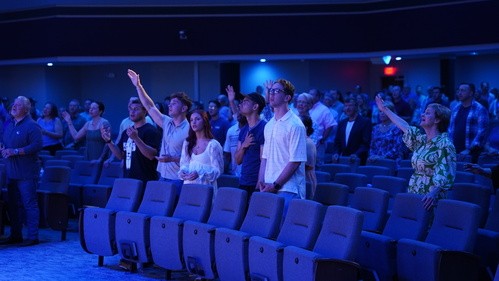
Four Key Observations About Authentic Love
Authentic Love is Sincere, Not Performative
"'Let love be without hypocrisy, detest evil, cling to what is good'" - Romans 12:9
Paul begins with a warning against imitation love. The word "hypocrisy" comes from the Greek theater, referring to actors who wore masks to play different roles. Paul is literally saying: don't wear a mask when loving people. Don't pretend. Don't let love be something you switch on in public and off in private.
This challenges us because it moves love from external expression to internal authenticity. Real love has discernment—it hates things that destroy people's lives and holds tightly to what gives life. This means Christian love is not the same as cultural tolerance, which says if you really love someone, you never speak correction into their lives.
This challenges us because it moves love from external expression to internal authenticity. Real love has discernment—it hates things that destroy people's lives and holds tightly to what gives life. This means Christian love is not the same as cultural tolerance, which says if you really love someone, you never speak correction into their lives.
Authentic Love is Family-Level Commitment
"'Love one another deeply as brothers and sisters, take the lead in honoring one another'" - Romans 12:10
Paul describes the church as family—not just poetic language, but theological reality. Through Christ, believers are adopted into the same family. This changes everything about how we relate to one another because in families, love isn't optional or transactional. It's based on belonging.
The phrase "take the lead in honoring one another" is shocking. It means to go first in showing respect, to initiate honor, to outdo one another in lifting others up. Imagine a church where people constantly ask, "How can I make someone else feel valued today?" This is radically different from a world that says "make sure you are noticed."
Paul describes the church as family—not just poetic language, but theological reality. Through Christ, believers are adopted into the same family. This changes everything about how we relate to one another because in families, love isn't optional or transactional. It's based on belonging.
The phrase "take the lead in honoring one another" is shocking. It means to go first in showing respect, to initiate honor, to outdo one another in lifting others up. Imagine a church where people constantly ask, "How can I make someone else feel valued today?" This is radically different from a world that says "make sure you are noticed."
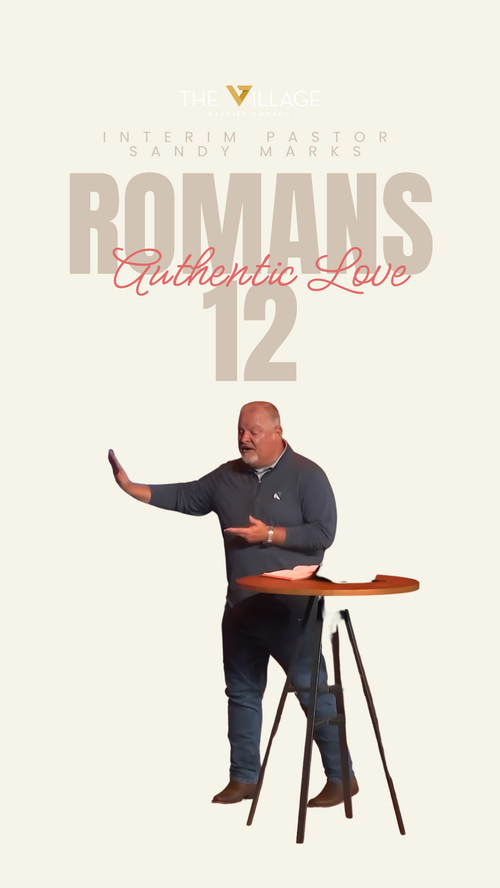
Authentic Love is Spirit-Fueled Perseverance
"'Do not lack diligence and zeal. Be fervent in the spirit. Serve the Lord. Rejoice in hope, be patient in affliction, be persistent in prayer'" - Romans 12:11-12
Paul moves from relational posture to spiritual endurance. He gives three commands about spiritual vitality: don't lack diligence, be fervent in spirit, and serve the Lord. This isn't occasional enthusiasm—it's steady devotion.
But Paul brings reality into the picture. Life includes difficulty. Notice he doesn't say avoid affliction or escape hardship. Instead, he assumes suffering will happen and teaches us how to endure it. This is where Christian community becomes profoundly different from culture, which withdraws when things get difficult.
Paul moves from relational posture to spiritual endurance. He gives three commands about spiritual vitality: don't lack diligence, be fervent in spirit, and serve the Lord. This isn't occasional enthusiasm—it's steady devotion.
But Paul brings reality into the picture. Life includes difficulty. Notice he doesn't say avoid affliction or escape hardship. Instead, he assumes suffering will happen and teaches us how to endure it. This is where Christian community becomes profoundly different from culture, which withdraws when things get difficult.
Authentic Love is Practically Generous
"'Share with the saints in their needs. Pursue hospitality'" - Romans 12:13
Paul brings love down from theology to everyday life. "Share with the saints in their needs" isn't optional generosity—it's shared life. The word carries the idea of participating in another person's burdens. In Christian community, no one suffers alone.
"Pursue hospitality" means to chase after it, to actively seek it. In the first century, hospitality was costly—opening your home to travelers and strangers who couldn't repay you. It involved inconvenience, risk, time, and resources. Hospitality demonstrates that people matter more than comfort.
Paul brings love down from theology to everyday life. "Share with the saints in their needs" isn't optional generosity—it's shared life. The word carries the idea of participating in another person's burdens. In Christian community, no one suffers alone.
"Pursue hospitality" means to chase after it, to actively seek it. In the first century, hospitality was costly—opening your home to travelers and strangers who couldn't repay you. It involved inconvenience, risk, time, and resources. Hospitality demonstrates that people matter more than comfort.
What Real Christian Community Looks Like
Real Christian community looks like:
This isn't a program or church model—it's spirit-formed people living under the lordship of Christ. The reason we can love like this is because we have been loved like this. Jesus didn't love us from a distance; He entered our world, carried our sin, and gave His life for us while we were still sinners.
- Love without masks
- Truth without compromise
- Family without favoritism
- Honor without competition
- Endurance without quitting
- Generosity without hesitation
- Hospitality without reluctance
This isn't a program or church model—it's spirit-formed people living under the lordship of Christ. The reason we can love like this is because we have been loved like this. Jesus didn't love us from a distance; He entered our world, carried our sin, and gave His life for us while we were still sinners.
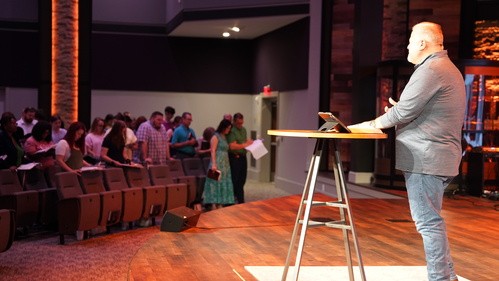
Life Application
This week, challenge yourself to move beyond surface-level Christianity to authentic community. Here are five practical steps:
Questions for Reflection:
The most countercultural thing the church can do today is authentically love people in a world trained to perform, consume, and withdraw. Maybe what the world needs isn't another great church program, but simply a body of believers loving with the love that Jesus showed us.
- Ask God to expose inauthentic love in your life - Where have you learned to say the right things while withholding real care?
- Re-engage the church as family, not just attendance - Move from being a consumer of church to a participant in church life.
- Become intentional about honoring others - Decide this week to intentionally encourage someone in the body of Christ.
- Stay spiritually engaged in hardship instead of withdrawing - When life gets tough, stay connected, keep praying, remain present.
- Practice hospitality as a spiritual discipline - Open your home, share a meal, invite someone in. Hospitality is about availability, not perfection.
Questions for Reflection:
- Where in your life are you wearing a mask instead of showing authentic love?
- How can you move from consuming church services to participating in church life?
- Who in your community needs encouragement, and how will you honor them this week?
- When facing difficulties, do you withdraw or lean into Christian community for support?
The most countercultural thing the church can do today is authentically love people in a world trained to perform, consume, and withdraw. Maybe what the world needs isn't another great church program, but simply a body of believers loving with the love that Jesus showed us.
Posted in Sermons
Posted in Counter Culture, Sermon, Sunday, Village Baptist Church, Sunday Sermon, Church Blog Post, Authentic Love
Posted in Counter Culture, Sermon, Sunday, Village Baptist Church, Sunday Sermon, Church Blog Post, Authentic Love
Recent
Perfect Love Drives Out Fear: What the Bible Says About Fear, Faith, and God's Love
October 7th, 2026
How to Recognize False Teaching: What the Bible Says About Spiritual Discernment
September 29th, 2026
What Does Real Love Look Like? Lessons from 1 John 3 on Living Out Your Faith
September 23rd, 2026
Children of God: What It Means to Belong to the Father
September 16th, 2026
Don't Be Fooled: How to Recognize Deception and Stay Rooted in Christ
September 9th, 2026
Archive
2026
January
February
March
April
May
June
July
August
September
More Than Words: What Real Faith Actually Looks LikeDon't Be Fooled: How to Recognize Deception and Stay Rooted in ChristChildren of God: What It Means to Belong to the FatherWhat Does Real Love Look Like? Lessons from 1 John 3 on Living Out Your FaithHow to Recognize False Teaching: What the Bible Says About Spiritual Discernment
2025
November
No Comments